

Lorem ipsum dolor sit amet, consectetur adipiscing elit. Suspendisse varius enim in eros elementum tristique. Duis cursus, mi quis viverra ornare, eros dolor interdum nulla, ut commodo diam libero vitae erat. Aenean faucibus nibh et justo cursus id rutrum lorem imperdiet. Nunc ut sem vitae risus tristique posuere.
Lorem ipsum dolor sit amet, consectetur adipiscing elit. Suspendisse varius enim in eros elementum tristique. Duis cursus, mi quis viverra ornare, eros dolor interdum nulla
Smarter Lubrication Starts with Better Measurements
Lubrication plays a crucial role in every drivetrain. It not only reduces friction between moving components but also dissipates heat generated during operation. These two functions are inherently coupled, which makes it challenging to optimize the lubrication strategy. In particular, minimizing oil supply to reduce churning losses often comes at the expense of reduced cooling capacity.
Within the ACTILUB project, Flanders Make [1], [2], [3] investigated how these effects can be decoupled to improve drivetrain efficiency under a wide range of operating conditions.
One of the key challenges addressed in this project is a drivetrain in which the shaft does not rotate at a constant speed but instead performs an oscillating motion driven by a cam-follower mechanism. In such systems, the rotational speed continuously changes, meaning that the measured torque is influenced not only by friction but also by the acceleration and deceleration of the rotating components. To accurately assess the effect of lubrication, these two contributions must be separated.
A Fully Instrumented Test Setup
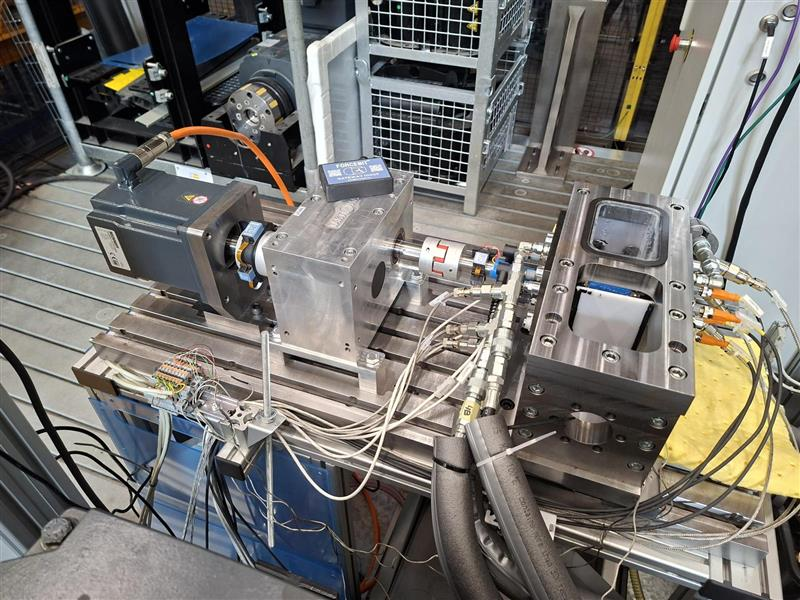
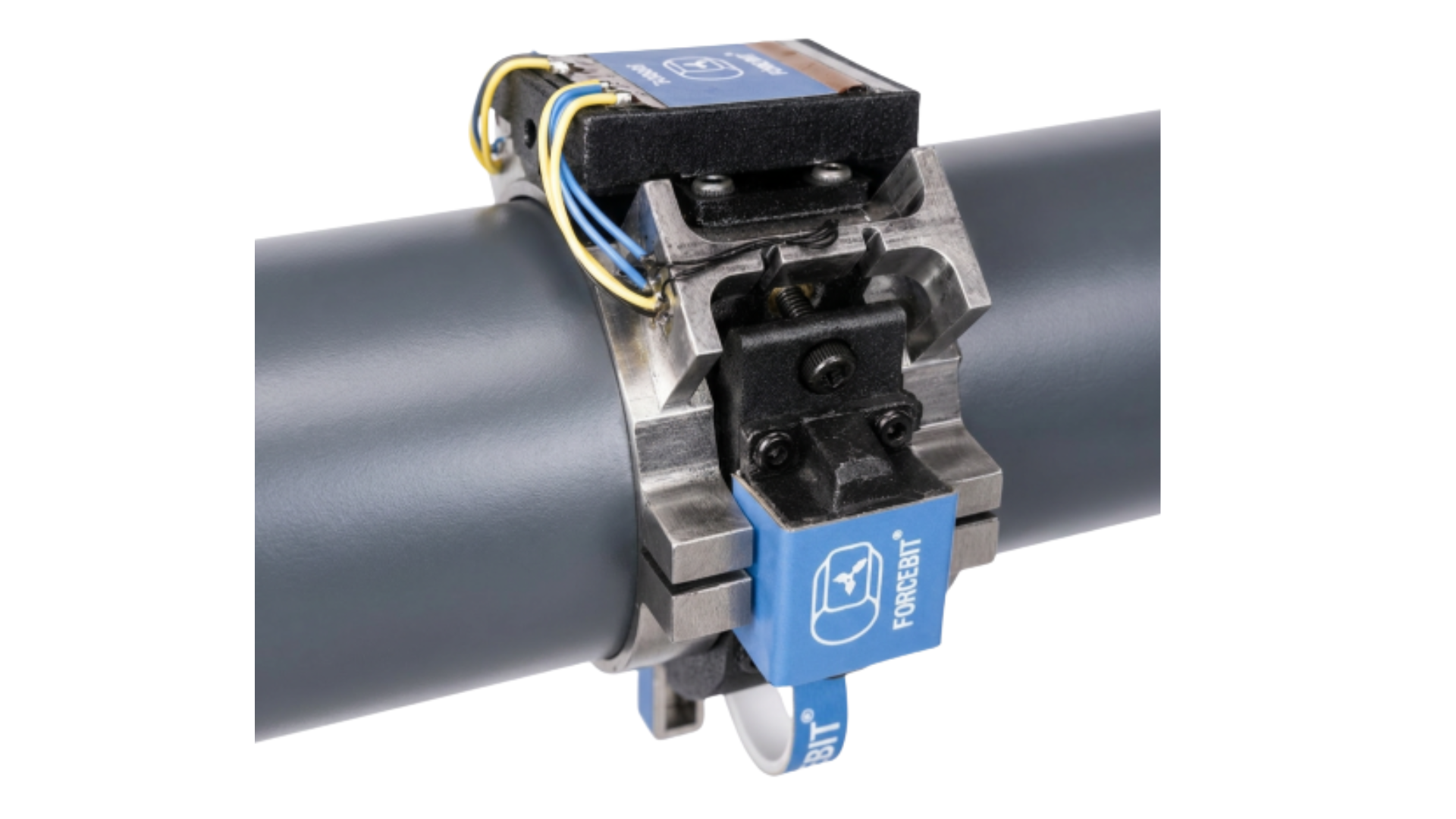
For this test campaign, Forcebit supported the experiments by providing a comprehensive measurement solution while Flanders Make carried out the full testing campaign. The rotating shaft was instrumented with strain gauges for torque measurements and Pt1000 temperature sensors to monitor temperatures at critical locations. The measurement data was transmitted wirelessly using our TELbit telemetry system, enabling reliable measurements on rotating components without the limitations of wired connections.
In addition to torque and temperature measurements, the behavior of the cam-follower mechanism was analyzed in detail. Using our proprietary algorithms, we continuously derived the angular position, rotational speed, and angular acceleration of the cam follower from the measurement data. This information proved essential for distinguishing dynamic inertial effects from the actual friction losses within the drivetrain.
Turning Raw Data into Valuable Insights
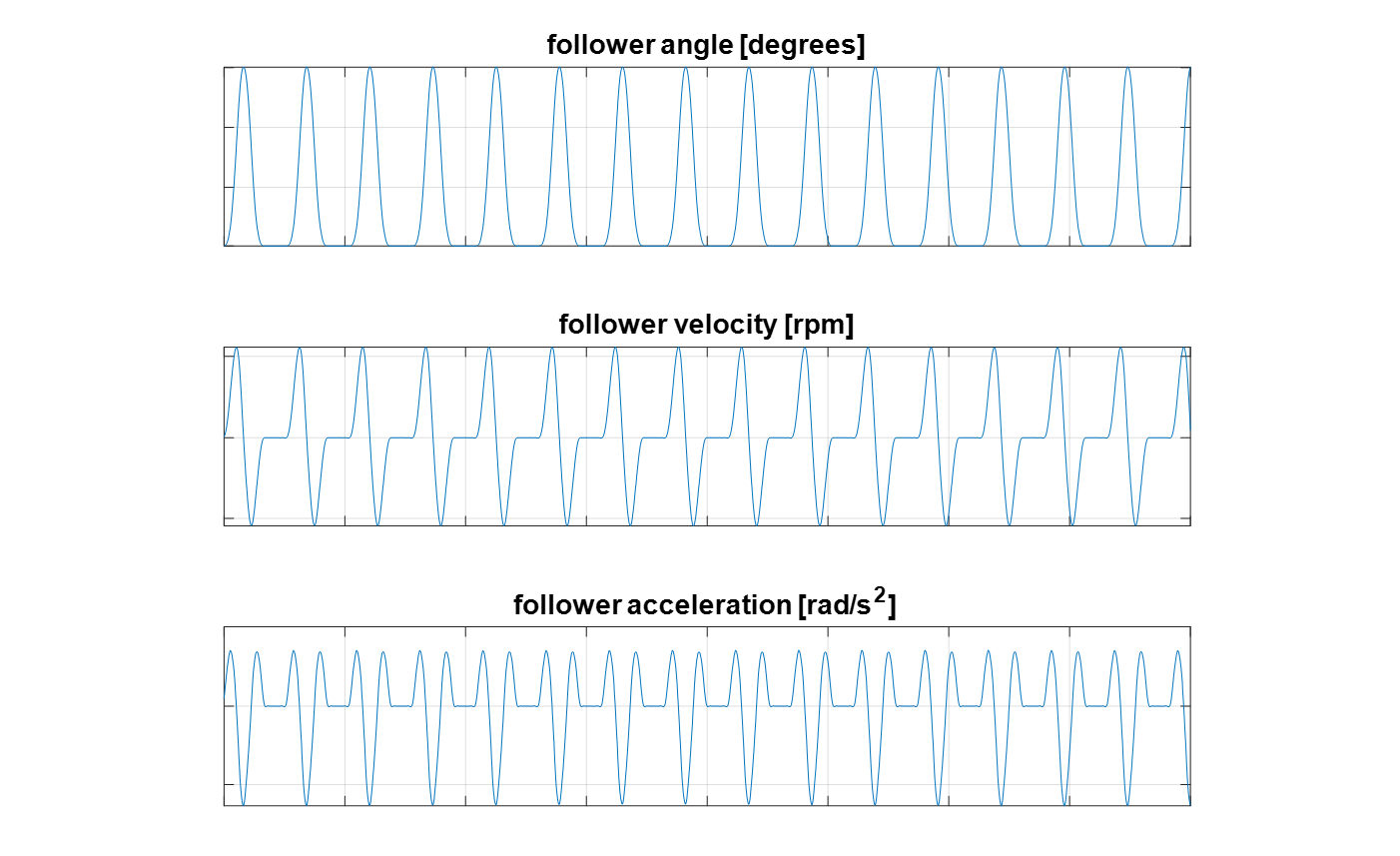
The first set of results shows the calculated angular position, speed, and acceleration of the cam-follower mechanism. These measurements clearly illustrate how the motion evolves throughout the operating cycle and how small variations in the input speed affect the dynamic behavior of the system. Notice that the axis data is omitted for reasons of confidentiality.
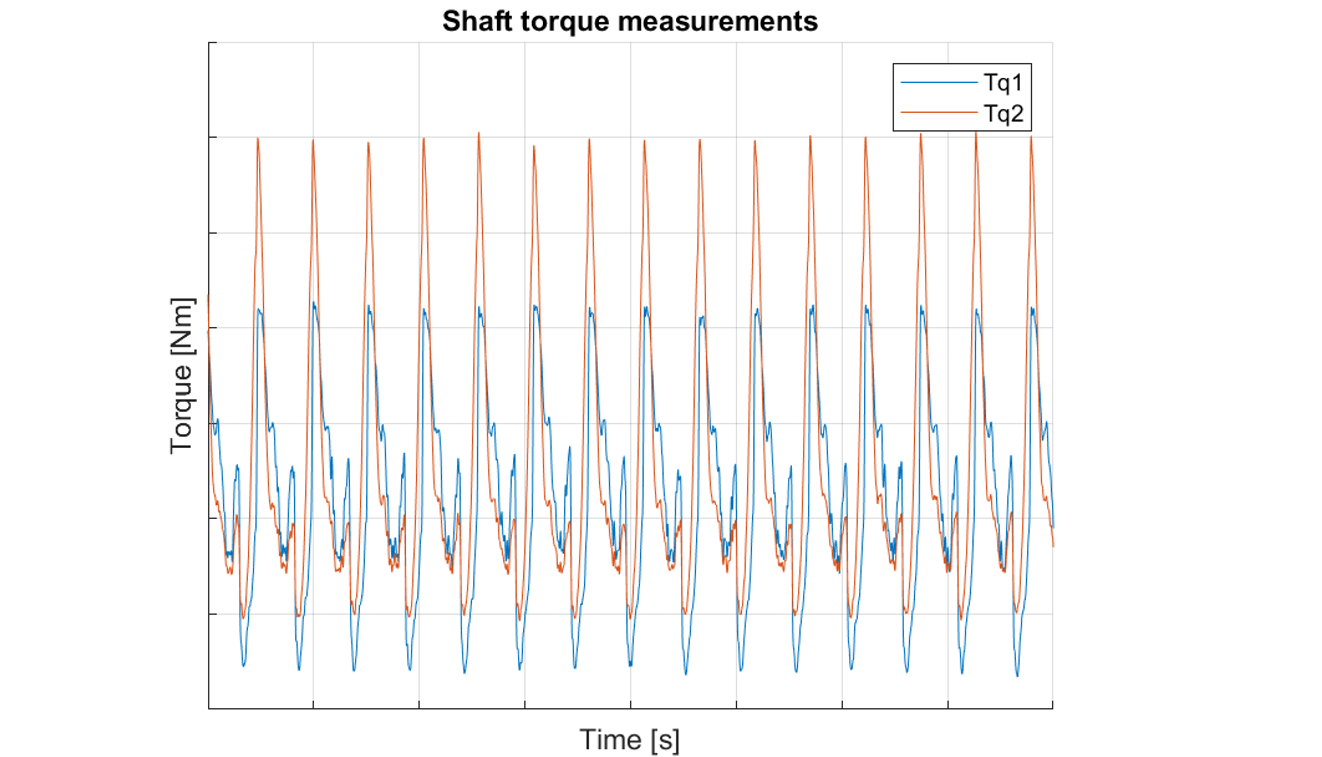
Next, torque was measured at two different locations within the drivetrain. By combining these measurements with the calculated acceleration data, it is possible to determine which portion of the measured torque originated from system inertia and which portion was truly caused by friction.
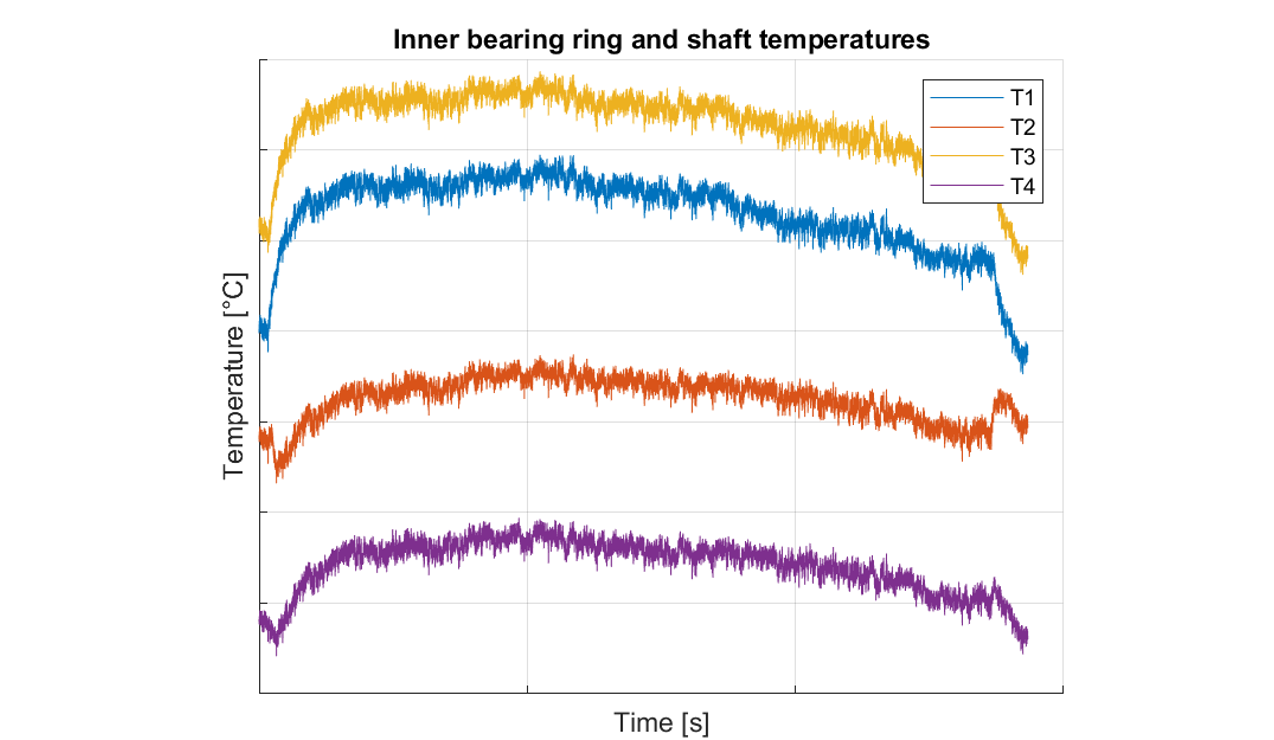
Finally, temperatures at several critical rotating components were continuously monitored. These temperature measurements provide valuable insight into heat generation and heat dissipation under different operating conditions and serve as an important indicator of the lubrication regime's performance.
Better Insights for More Efficient Drivetrains
By simultaneously measuring angular position, speed, acceleration, torque, and temperature, a much more complete understanding of the drivetrain's behavior can be obtained than would be possible with individual measurements alone. This integrated approach enables researchers to accurately evaluate the influence of different lubrication strategies under varying load conditions.
The insights gained from this test campaign will help Flanders Make to further optimize lubrication strategies for dynamic drivetrain applications. Ultimately, this contributes to more efficient drivetrains, lower energy consumption, and more sustainable machines and vehicles.
At Forcebit, we continue to develop innovative measurement solutions that help researchers and machine builders better understand complex mechanical systems. Because the better you measure, the smarter you can optimize.
[1] Perremans, Yves, et al. "The impact of advanced lubrication strategies on the performance of oil-lubricated multi-bearing systems." Tribology International 194 (2024): 109479.
[2] Manjunath, Manjunath, Patrick De Baets, and Dieter Fauconnier. "In Situ Measurement and Mapping of Lubricant Film Temperature in Cylindrical Roller Thrust Bearings Using Thin-Film Sensors." Machines 13.4 (2025): 297.
[3] Manjunath, Manjunath, et al. "Electrical impedance spectroscopy for precise film thickness assessment in line contacts." Lubricants 12.2 (2024): 51.
.jpeg)